What to look for — and what to ask — before you buy.

When you're spending real money on an original painting, it's fair to want reassurance that you're getting exactly what you're paying for. Here's what actually confirms authenticity, and what's just marketing language.
Signs of a Genuine Original
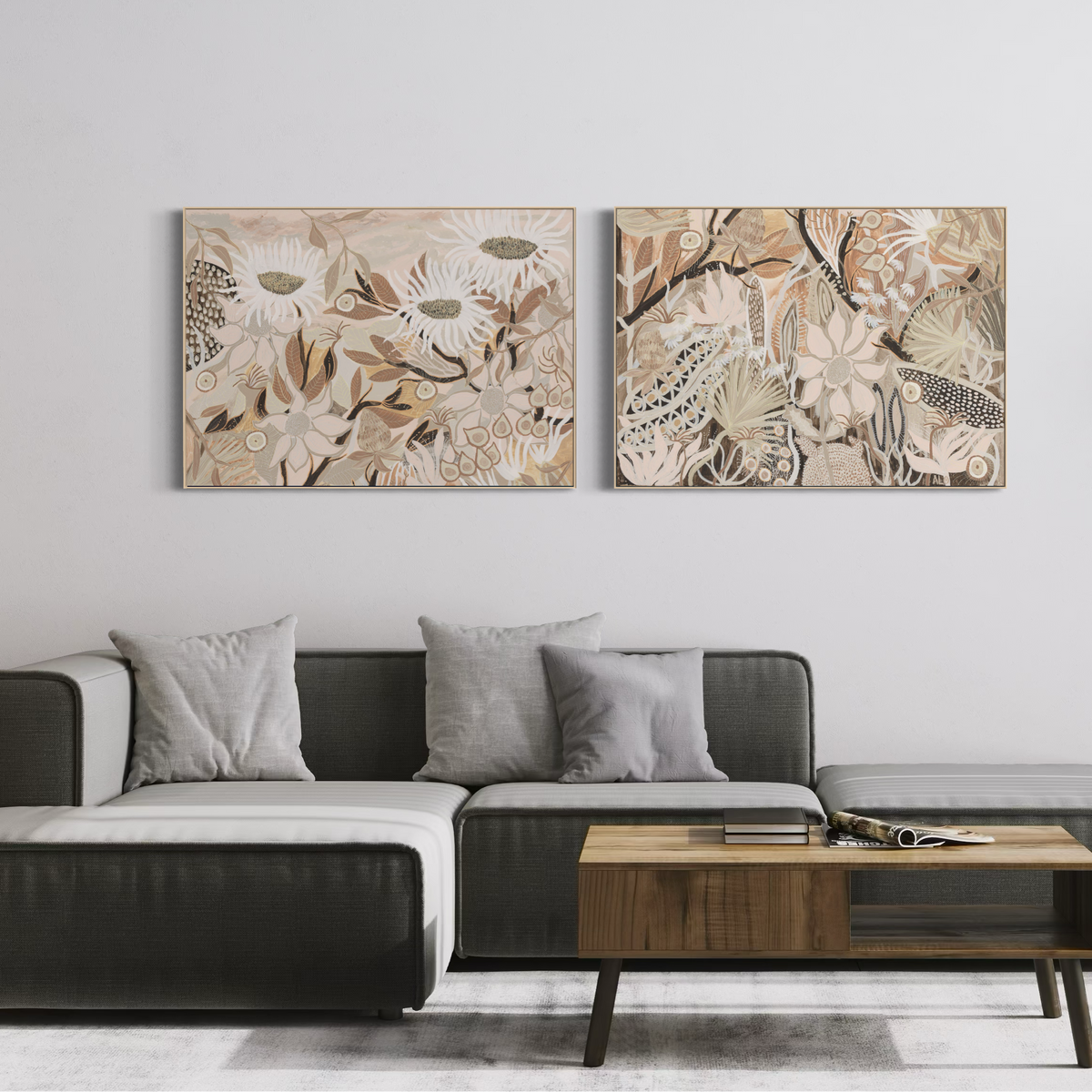
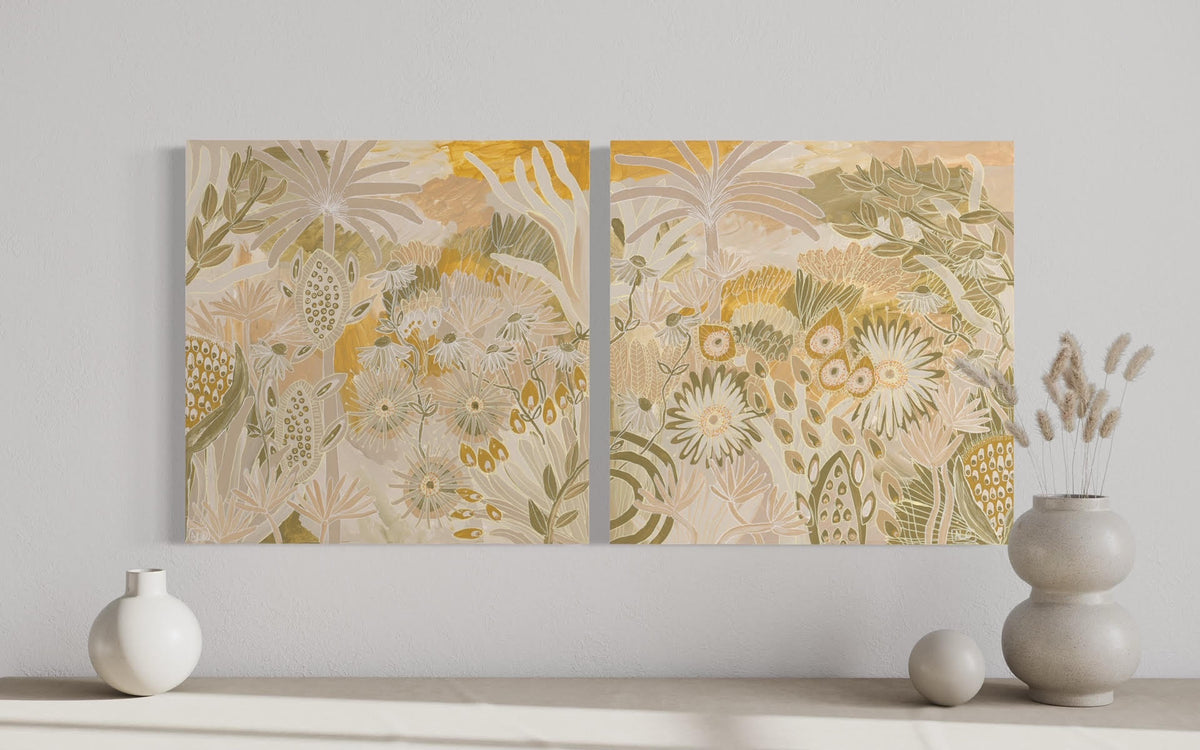
- Visible texture: Run your eye or, if viewing in person, look at the painting from the side and you should be able to see textured, raised painted elements of the artwork across the surface. Brushstrokes and paint texture catch light differently than a flat printed surface.
- Signature: Most original paintings are hand-signed by the artist, usually in the same medium as the painting itself.
- Certificate of Authenticity: A signed document from the artist (or gallery) confirming the artwork's title, medium, dimensions, date, and that it is an original, one-of-a-kind piece.
- Provenance: The artwork's history—from the artist's studio to galleries or previous owners—is especially valuable for higher-priced works.

Questions Worth Asking the Artist or Seller
- Is this a one-of-a-kind original or a limited-edition reproduction?
- Do you provide a certificate of authenticity?
- Can you tell me about the materials and process used?
- Do you have documentation or photos of the artwork being created?
A legitimate artist or gallery will answer these questions without hesitation.
Red Flags to Watch For
- No willingness to provide documentation.
- Vague or inconsistent answers about the medium or creative process.
- Pricing that seems too good to be true for a claimed one-of-a-kind artwork.

The Bottom Line
Authenticity comes down to transparency. A trustworthy artist or seller will happily explain how a piece was created and provide documentation to support it—giving you confidence in your purchase.
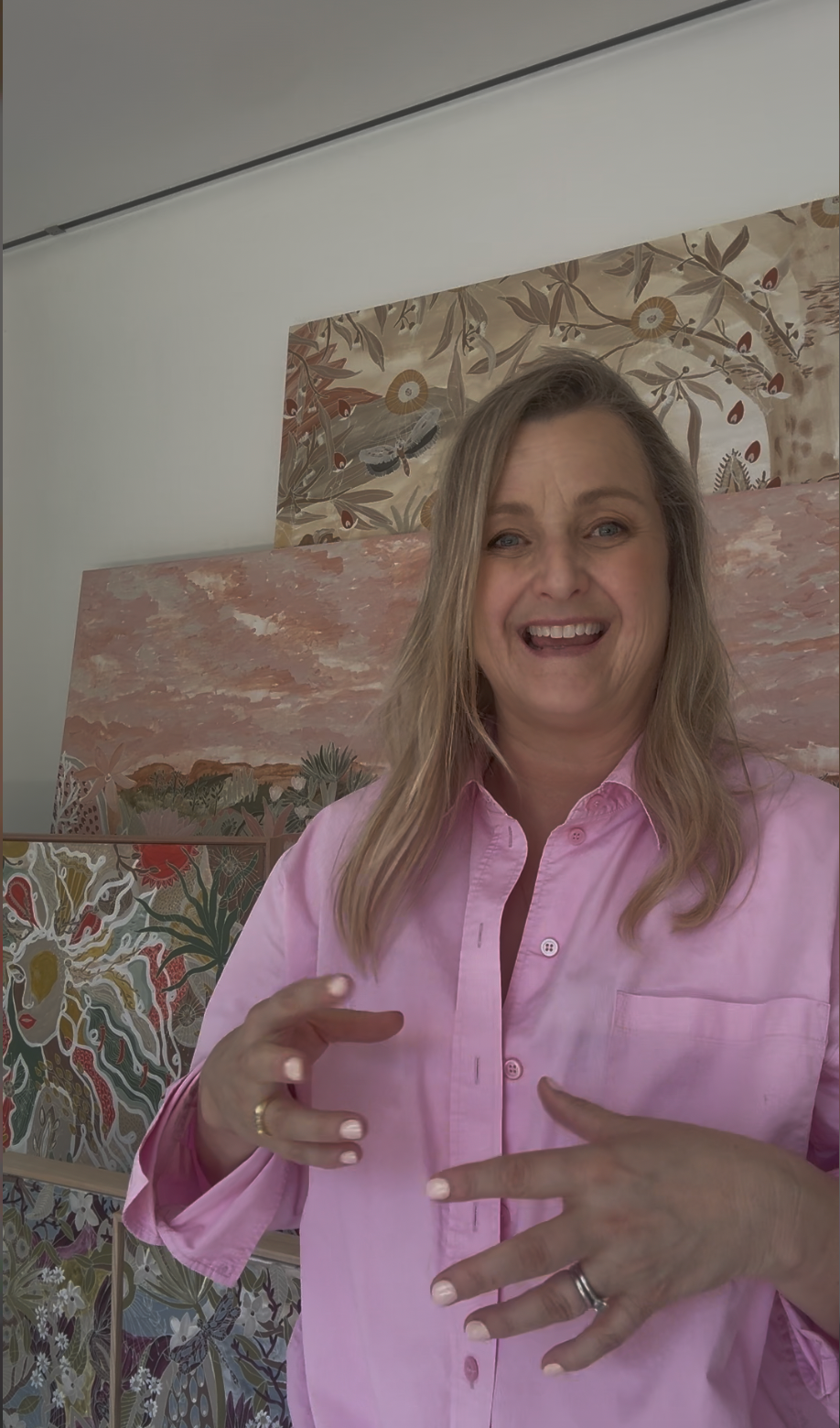
Every original I sell comes with a signed certificate of authenticity. Have questions about a specific piece? Just ask.